THE MODERN BIO

THE MODERN BIO / EQUIPMENT & TECHNOLOGY

The Gear Lab.

Find the technology that fits your life.

Explore devices, compare the evidence, and understand the real cost before you buy.Our review standard ↗

70 categories to explore

Select up to 3 to compare

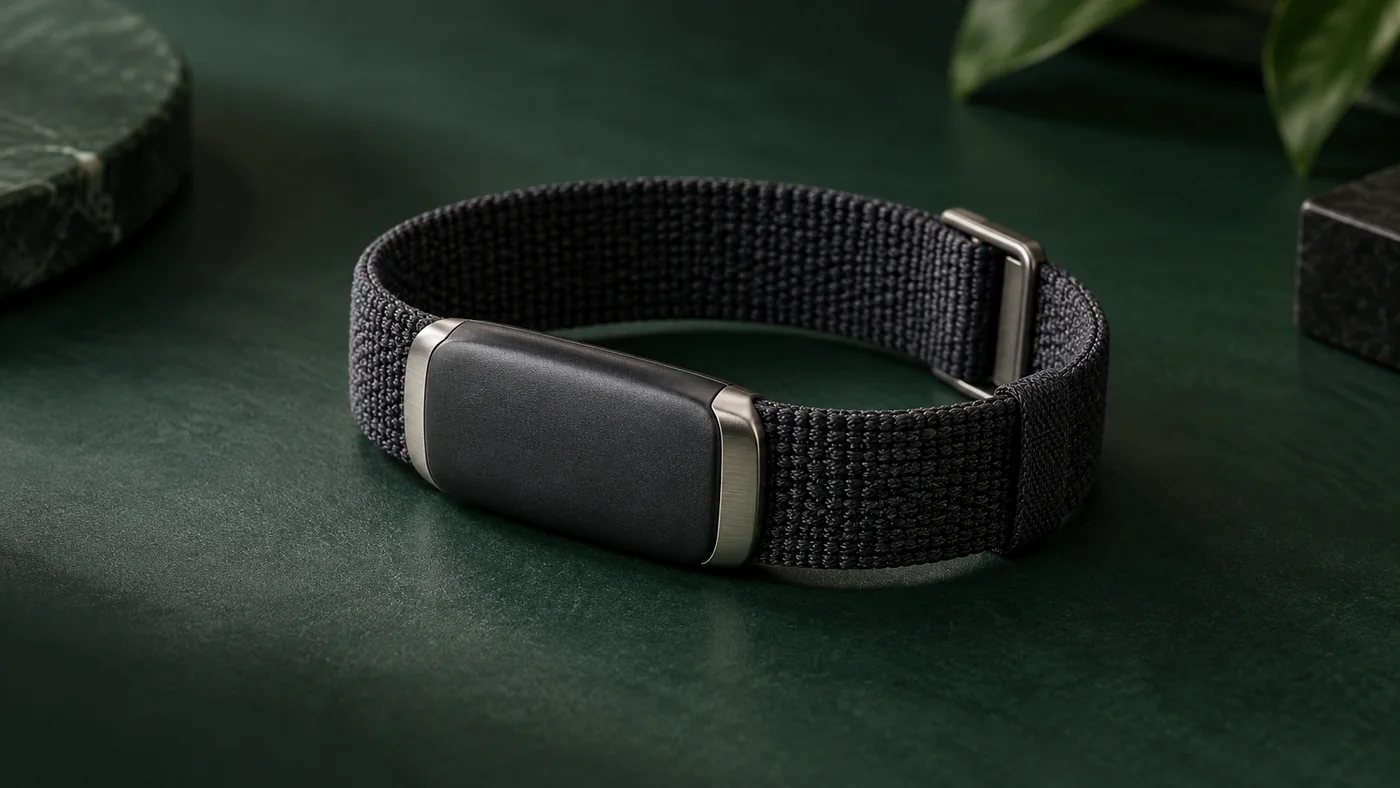
Illustrative screen-free recovery wristband with a woven strap
Sleep
Worth consideringField guide ↗

Recovery bands & straps

Screen-free or low-screen wearables built around strain, recovery, sleep and coaching. Useful when the feedback changes training or bedtime behavior.

Evidence
Moderate
Typical cost
$199–$399 + membership
Access
Consumer + app
Explore options · external linksWHOOPAmazfit Helio Strap
Read the evidence guide
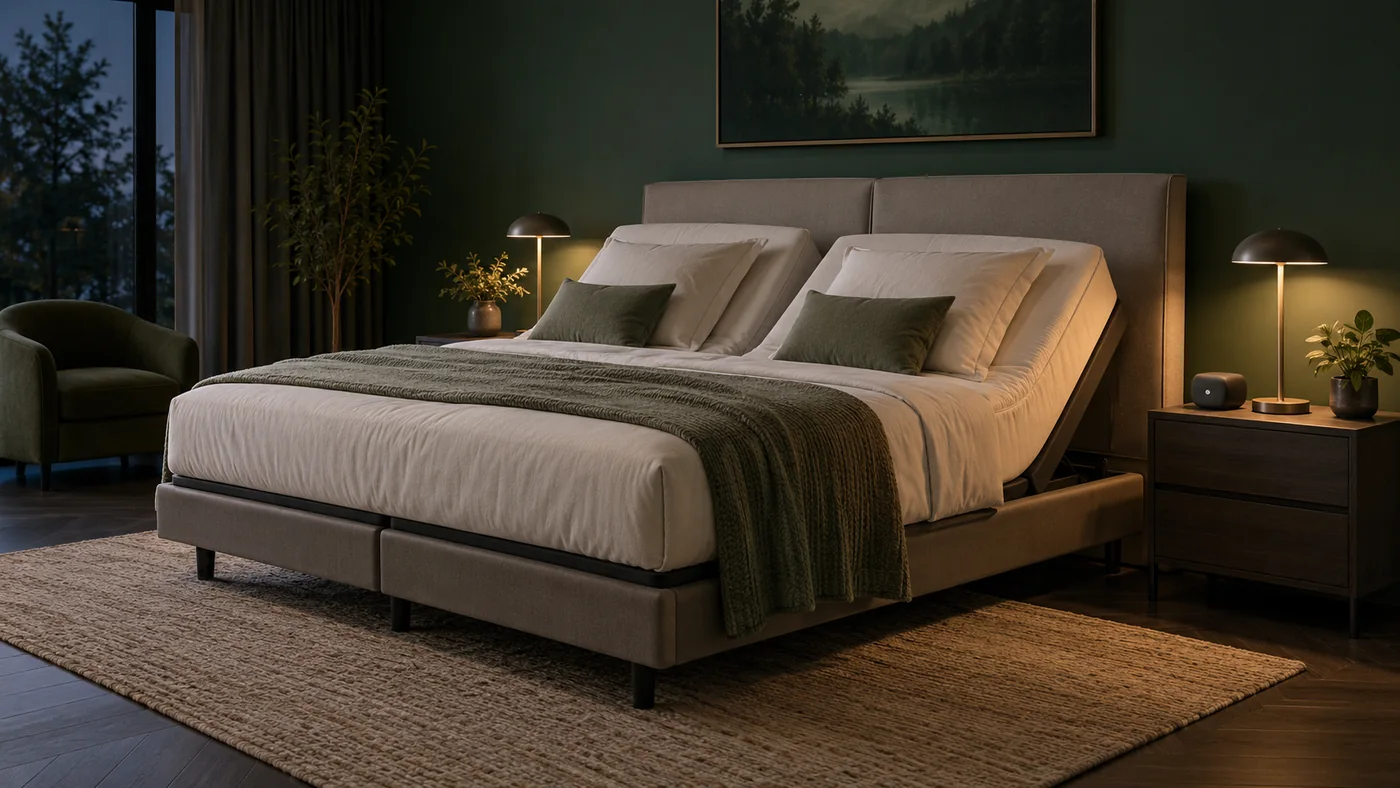
Editorial sleep environment with a smart bed and bedside technology
Sleep · Category image
Worth considering

Bed cooling & heating systems

Active temperature control can materially improve comfort for hot sleepers and couples with different preferences. Subscription cost, noise, cleaning and cloud dependence matter.

Evidence
Moderate
Typical cost
$500–$5,000+ + possible membership
Access
Consumer + app
Explore options · external linksEight Sleep PodSleepme Dock ProBedJet
Category overview · full guide not yet available
Editorial sleep environment with a smart bed and bedside technology
Sleep · Category image
Emerging

Smart beds & adjustable sleep systems

Combine adjustable bases, firmness or temperature with biometric sensing. Comfort can be real; proprietary sleep scores and automatic interventions need independent validation.

Evidence
Mixed
Typical cost
$2,000–$10,000+
Access
Consumer + app
Category overview · full guide not yet available
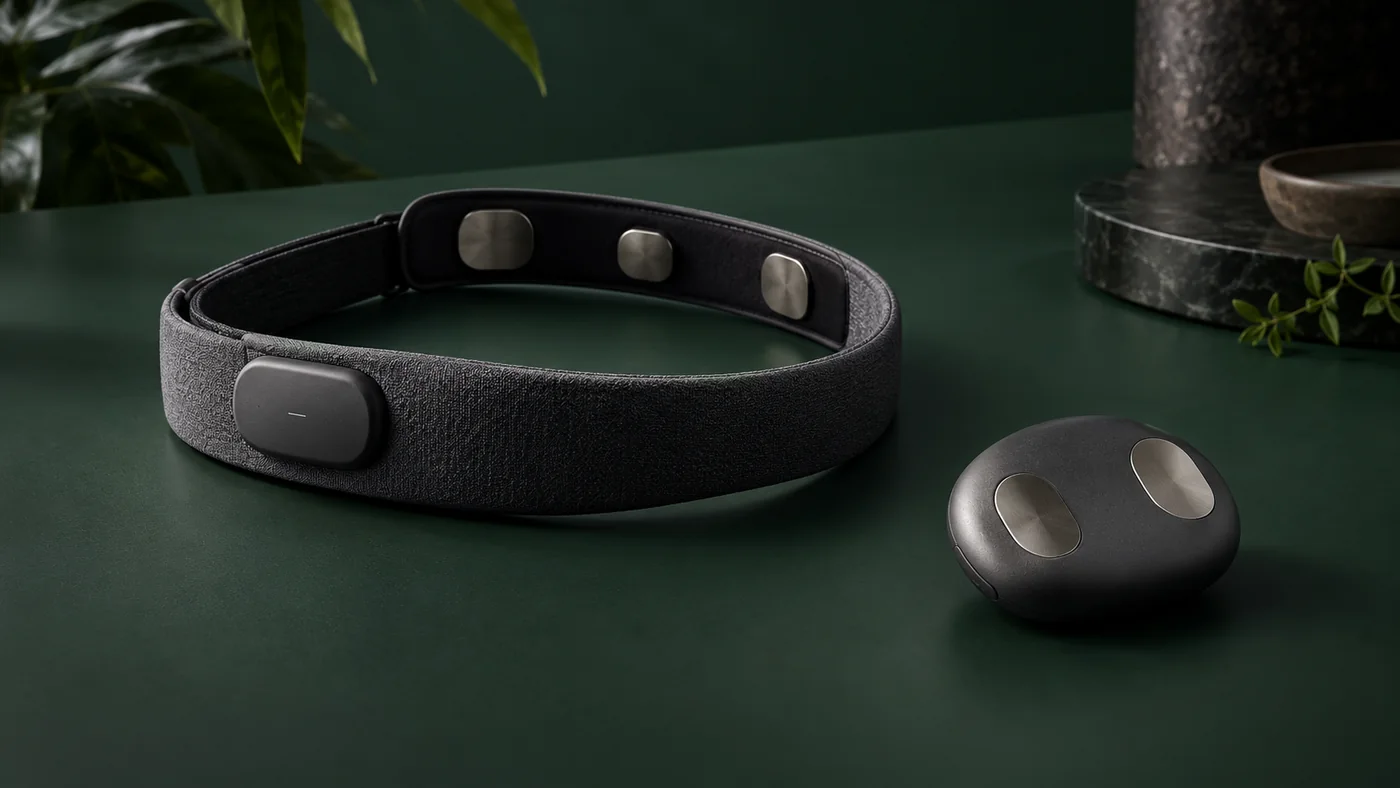
Illustrative EEG headband and biofeedback equipment
Sleep
Emerging

EEG sleep headbands

Add brain-signal estimates and responsive audio to sleep tracking. Interesting for committed experimenters, but less comfortable and less clinically interpretable than formal sleep testing.

Evidence
Mixed
Typical cost
$300–$600 + possible membership
Access
Consumer + app
Explore options · external linksMuse S AthenaSomnee
Category overview · full guide not yet available
Showing 6 of 70

YOUR GEAR SHORTLIST

Compare the trade-offs.

Compare device categories, then check the exact model. Evidence varies by intended use; guide prices are estimates.Swipe the table to compare categories →

Evidence, cost, access and considerations for selected gear categories
At a glance
Our view
Evidence
Typical cost
Access
What to know
Explore

Before choosing: check the return window, ongoing subscriptions or consumables, compatibility and any need for clinical oversight.

About this directory & imagery

Explore 70 distinct equipment categories and representative manufacturer or facility links. Images illustrate equipment or the wider category; they do not identify an exact model or imply endorsement. Category verdicts are editorial assessments, not ratings of every listed product. Cost ranges are guide estimates; verify current price, availability, subscriptions, regulatory status and specifications with the manufacturer.

We include foundational tools, emerging technology, supervised care and categories with weak evidence so the limitations remain visible. This is a category directory, not an exhaustive list of every brand or model.

BEFORE YOU BUY

Give every device a job.

Choose one outcome, consider a trial or facility visit, and decide what improvement would make the purchase worthwhile.

12 detailed field guidesUnderstand the evidence,
limits and ownership.
Explore the guides →

THE FIELD GUIDE LIBRARY

Take a closer look.

Supported benefits, claims to question, practical use, safety, ownership costs and direct research links. Start with the category that matters to you.

12 completed evidence guides

Confirm current prices and specifications before buying.
01Light
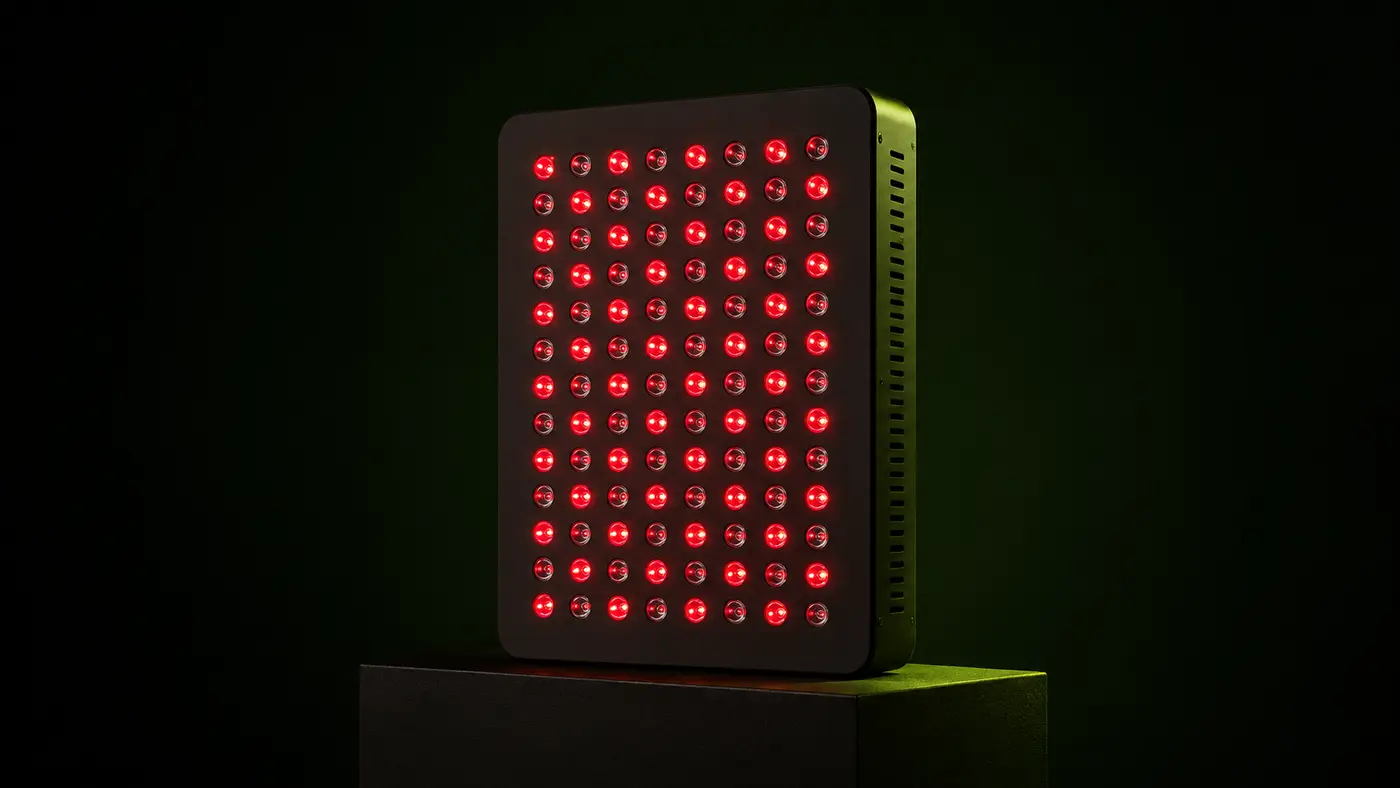
Red lightVIEW GUIDE ↗
Moderate

Red & near-infrared light

Dose the tissue—not the marketing claim.

Photobiomodulation uses red and near-infrared wavelengths to deliver light energy to tissue. Human evidence is most credible for selected skin, hair, wound, oral-mucositis and pain applications; effects depend on wavelength, irradiance, distance, time and the condition being treated.

$250–$1,500+Medium complexityOpen field guide ↗
02Light
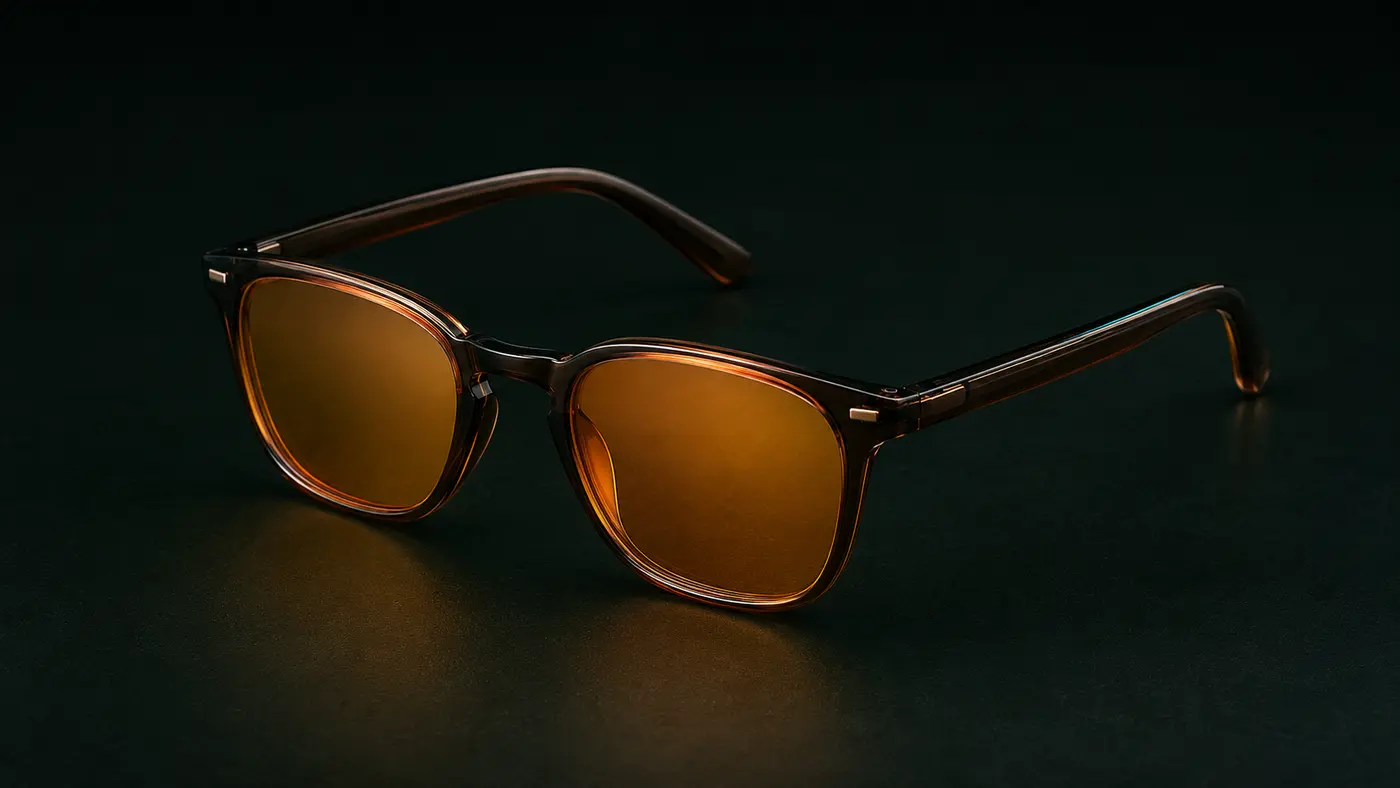
Blue-light glassesVIEW GUIDE ↗
Mixed

Blue-light blocking glasses

A circadian tool—not digital armor for your eyes.

Clear blue-filtering lenses have not shown a meaningful short-term advantage for computer eye strain, visual performance or retinal protection. Dark amber or red lenses can reduce short-wavelength evening light exposure, but sleep benefits remain less certain than marketing implies. Dimming the environment is the free first-line move.

$0–$150Low complexityOpen field guide ↗
03Light
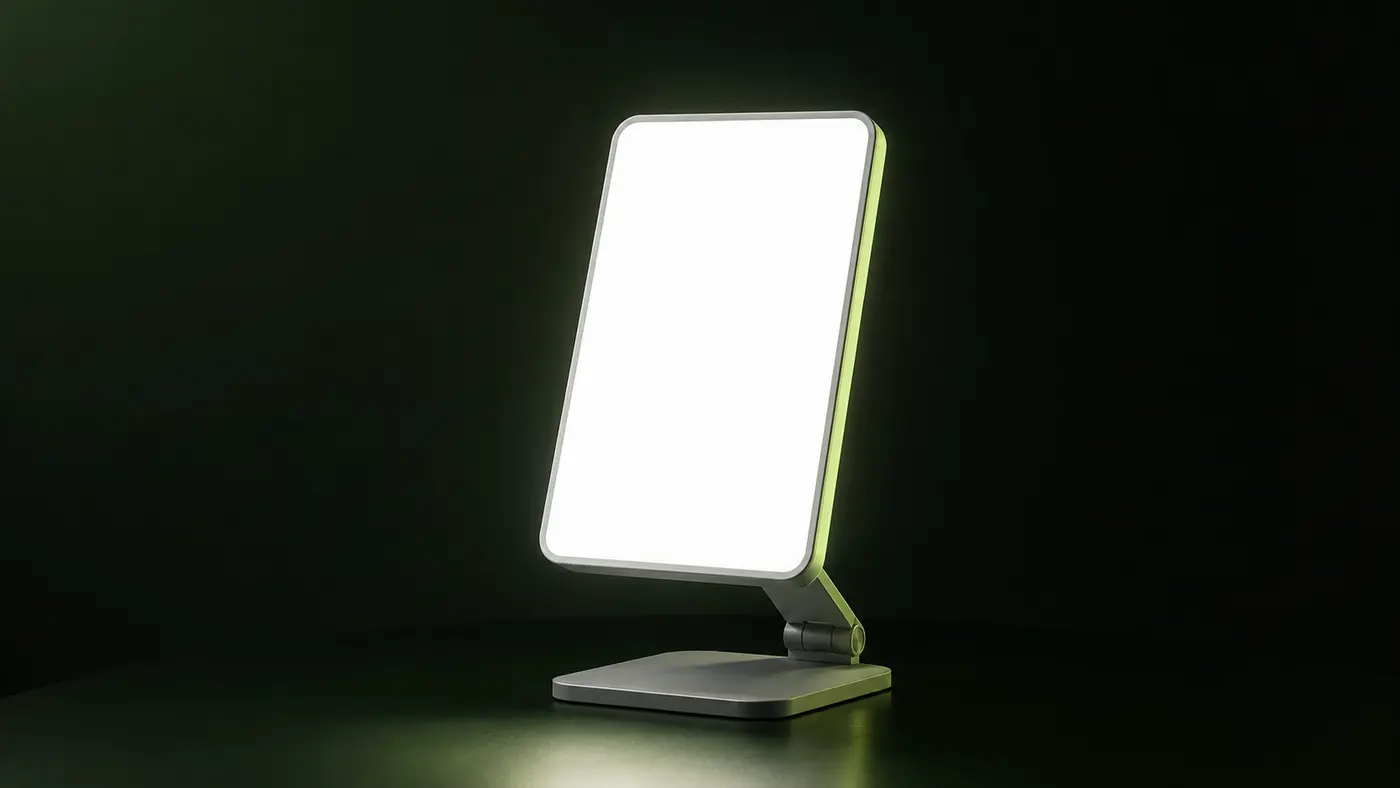
Bright lightVIEW GUIDE ↗
Strong for a narrow use

Bright-light therapy lamps

The useful number is lux at your actual sitting distance.

A properly sized 10,000-lux light box can shift circadian timing and is an established treatment option for seasonal affective disorder. Timing changes the biological effect: morning light usually advances the clock; late-evening light can delay it.

$55–$200Medium complexityOpen field guide ↗
04Heat & cold
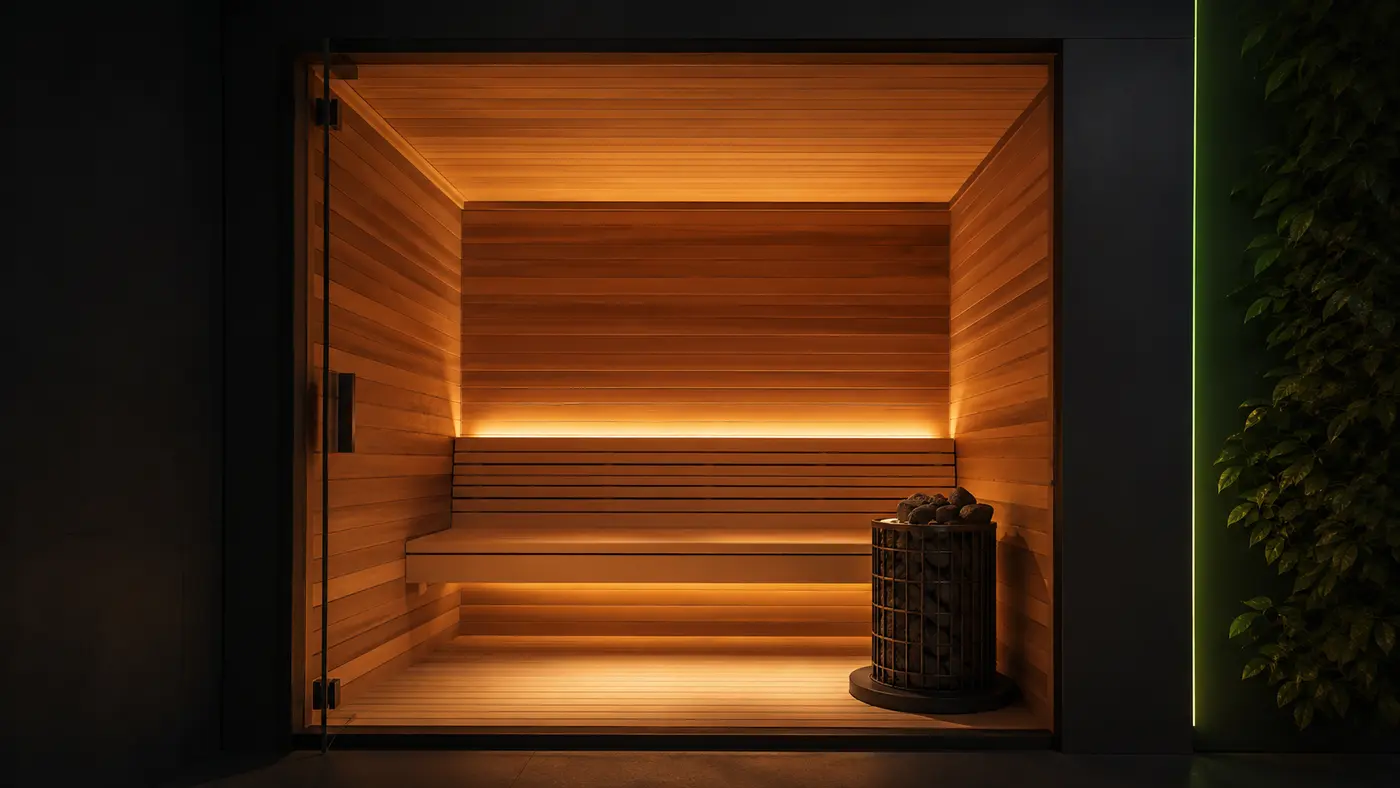
SaunaVIEW GUIDE ↗
Moderate

Saunas & heat therapy

Heat adaptation is real. “Detox” is the distraction.

Sauna reliably raises skin temperature, heart rate and sweat rate and may improve relaxation, heat tolerance and some vascular measures. Frequent Finnish sauna use is associated with lower cardiovascular and all-cause mortality, but those long-term data are observational and cannot prove sauna caused the benefit.

$25/visit–$10,000+High complexityOpen field guide ↗
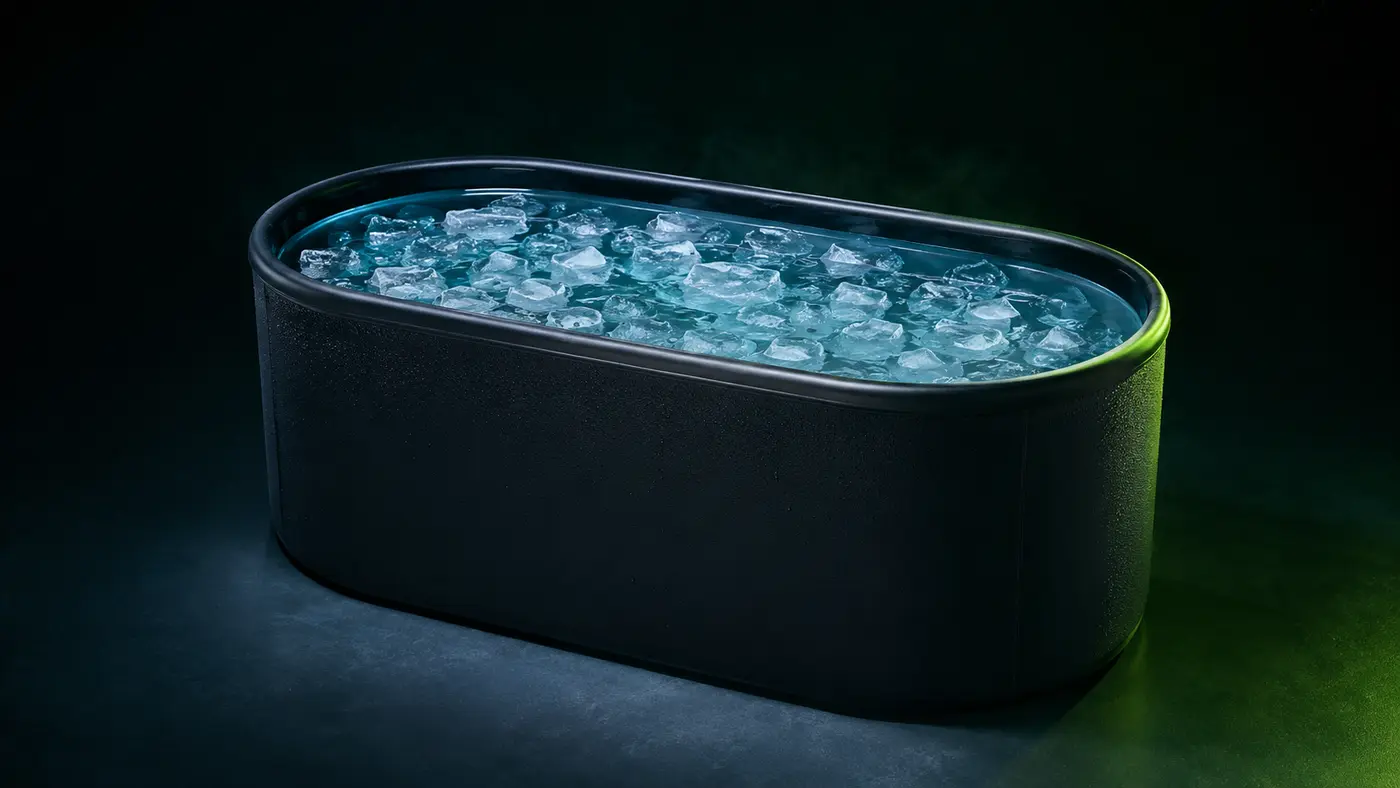
05Heat & cold
Cold plungeVIEW GUIDE ↗
Moderate

Cold plunges & immersion

Useful for soreness. Not a mandatory test of willpower.

Cold-water immersion can reduce perceived soreness and improve short-term recovery after hard exercise. It creates a rapid cardiovascular and breathing response; claims about immunity, depression, fat loss and longevity remain preliminary. Frequent immediate use after resistance training may interfere with muscle adaptation.

$0–$4,000+High complexityOpen field guide ↗
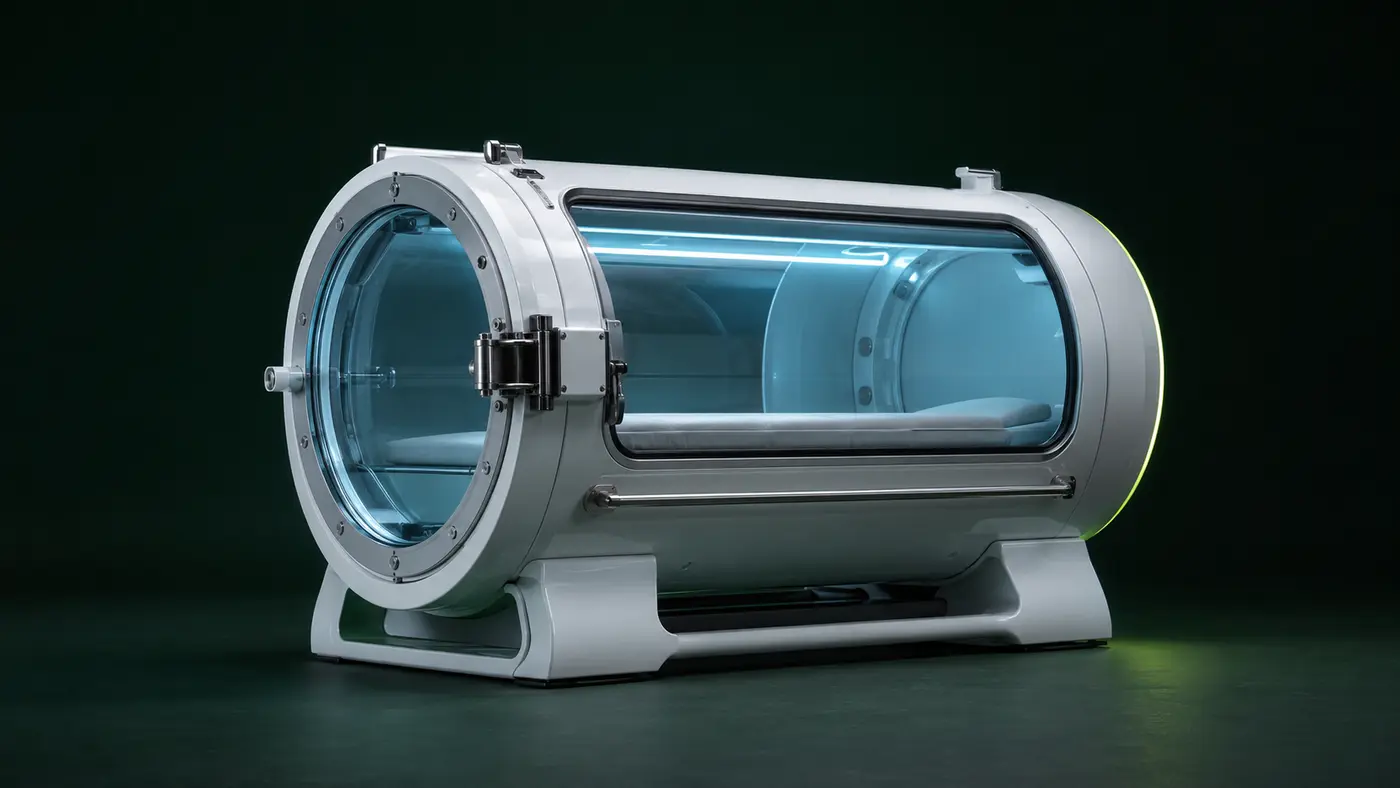
06Oxygen & air
Hyperbaric oxygenVIEW GUIDE ↗
Strong for a narrow use

Hyperbaric oxygen therapy

A medical treatment—not a home wellness chamber.

Medical HBOT delivers high-concentration oxygen in a pressurized chamber, generally under physician supervision. It is standard care for a defined list of conditions such as decompression sickness, selected non-healing wounds and radiation injury. Evidence for general energy, anti-aging, autism, athletic recovery or uncomplicated concussion is not established.

$200–$600+/sessionClinical complexityOpen field guide ↗
Showing 6 of 12 guides

OUR REVIEW STANDARD

What earns our confidence.

A product can be beautifully made and still be the wrong health decision. Our verdict begins with the outcome, then tests the research, protocol, safety, ownership cost and likelihood of consistent use.
01Evidence

Human outcomes first. Mechanisms explain; they do not prove.

02Dose

The device must deliver a measurable, repeatable exposure.

03Safety

Contraindications, stop rules and facility standards are part of the review.

04Ownership

Filters, subscriptions, space, service and time count in the price.

05Behavior

The best device is the one that improves a real decision or repeated habit.

OUR COMMERCE STANDARD

The product has to earn the link.

Some links may eventually generate revenue. Inclusion, ranking and evidence grades do not change with commission rate.
01Good / better—not endless

Most pages show two routes: the sensible entry and the justified upgrade. More choice is not always better choice.

02No fake medical certainty

FDA clearance, approval, accreditation and “clinically tested” mean different things. We name the exact status.

03Facility before hardware

For HBOT and complex care, the recommendation is qualified treatment—not unsafe home ownership.

04Total cost on the card

Subscriptions, filters, consumables, electrical work and realistic maintenance sit beside the sticker price.

BEFORE THE CHECKOUT

Use the minimum effective tool.

  1. 01
    Name the outcome.

    “Recovery” is not measurable. Next-day soreness, sleep timing, PM2.5 or wound closure is.

  2. 02
    Try the free version.

    Dim the lights, take a walk after dinner, use a gym sauna or trial a clinic session first.

  3. 03
    Set an exit rule.

    Choose the trial length and meaningful-change threshold before novelty becomes sunk cost.

  4. 04
    Match risk to oversight.

    More pressure, oxygen, heat, cold or data is not automatically more health.

THE MODERN BIO BRIEF

Know what deserves
a place in your life.

New evidence, price checks and field-guide updates—translated without the launch-day hype.Join the brief →