WHAT THE HUMAN DATA SAY
Evidence before enthusiasm.
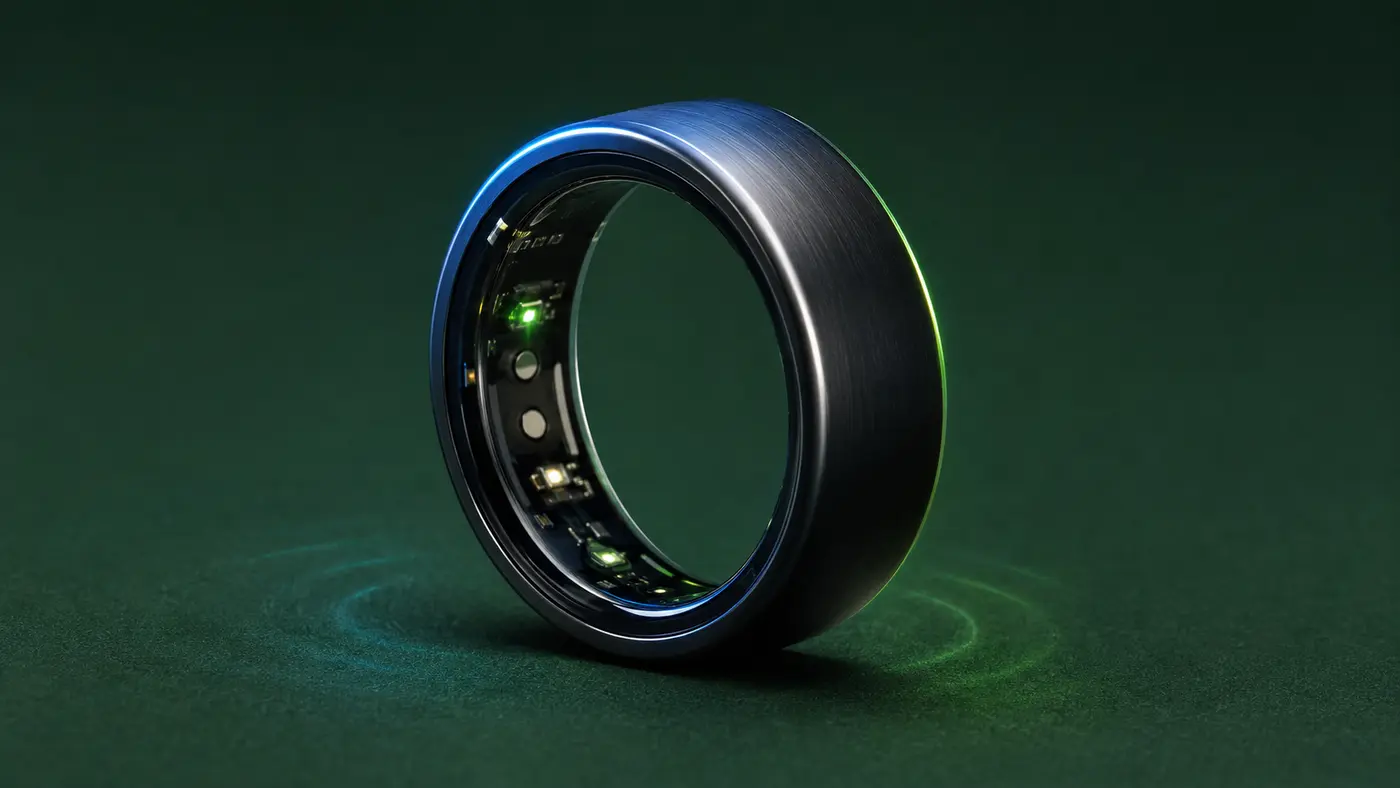
Human evidence strongly supports sufficient sleep and established treatments such as CBT-I for chronic insomnia. Consumer trackers can reveal patterns but cannot rule out a sleep disorder.
This grade reflects clinically meaningful human evidence for the use described here. It is not a score for popularity, mechanism, animal lifespan results or the number of products already being sold.
HOW IT FITS
A practical role—without pretending it is universal.
Anchor a consistent wake time, protect enough sleep opportunity, use morning light, reduce late alcohol and screen for apnea when snoring, gasping or daytime sleepiness is present.
TRACK WHAT MATTERS
Know whether it is creating value.
Sleep opportunity and regularity
Daytime alertness
Symptoms of apnea or insomnia
SAFETY & BOUNDARIES
What should make you pause.
- Drowsy driving is an immediate safety issue.
- Do not rely on supplements when apnea, restless legs, medication effects or persistent insomnia may be driving the problem.
BOOK CONNECTIONS
Where this idea enters the longevity conversation.
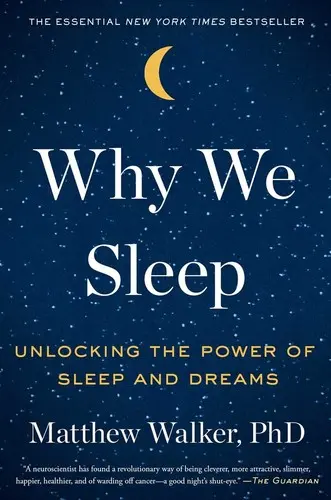
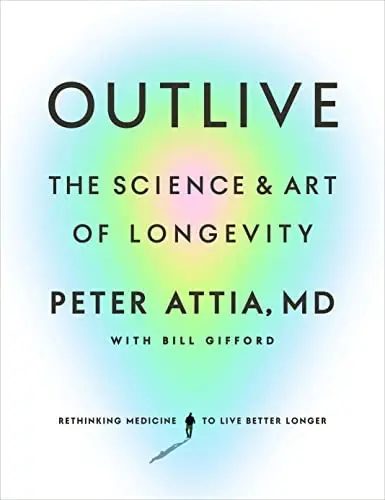
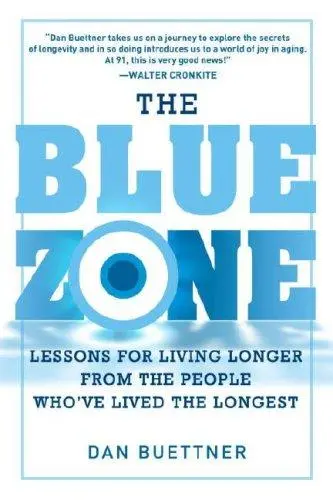
Book inclusion explains why the idea is culturally important; the evidence grade above determines how strongly The Modern Bio treats the claim.