
WHAT THE HUMAN DATA SAY
Evidence before enthusiasm.
Evidence and recommended intervals vary by cancer, age, sex, family history and prior findings. Multi-cancer early-detection blood tests are promising but do not replace established screening.
This grade reflects clinically meaningful human evidence for the use described here. It is not a score for popularity, mechanism, animal lifespan results or the number of products already being sold.
HOW IT FITS
A practical role—without pretending it is universal.
Build a written screening calendar with a clinician, update family history and understand what happens after an abnormal result before ordering broad panels.
TRACK WHAT MATTERS
Know whether it is creating value.
Due dates and original reports
Family-history changes
Follow-up completion after abnormal findings
SAFETY & BOUNDARIES
What should make you pause.
- New bleeding, a mass, unexplained weight loss or persistent concerning symptoms should not wait for routine screening.
- More screening is not always better.
BOOK CONNECTIONS
Where this idea enters the longevity conversation.
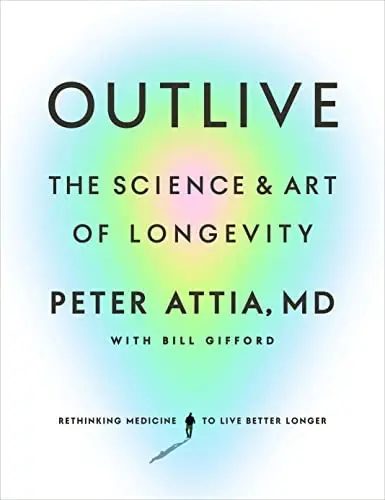
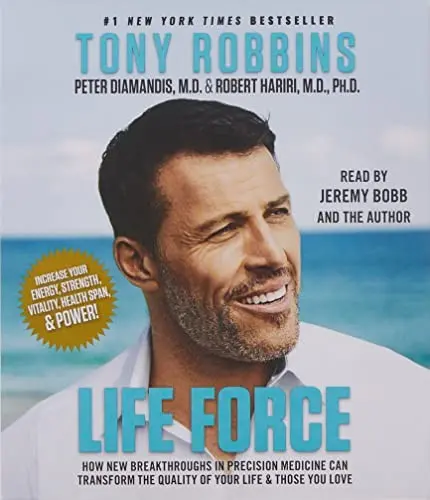
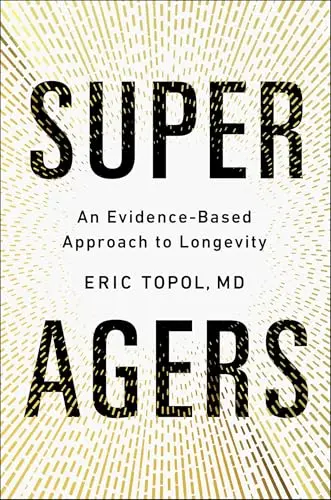
Book inclusion explains why the idea is culturally important; the evidence grade above determines how strongly The Modern Bio treats the claim.